




By the mid 1950”s GM began to show signs of lowering some of the injuries in a vehicle accident. This was not from Government regulations but rather a selling point to help market their new vehicles. Highways were becoming better and speed could be increased.
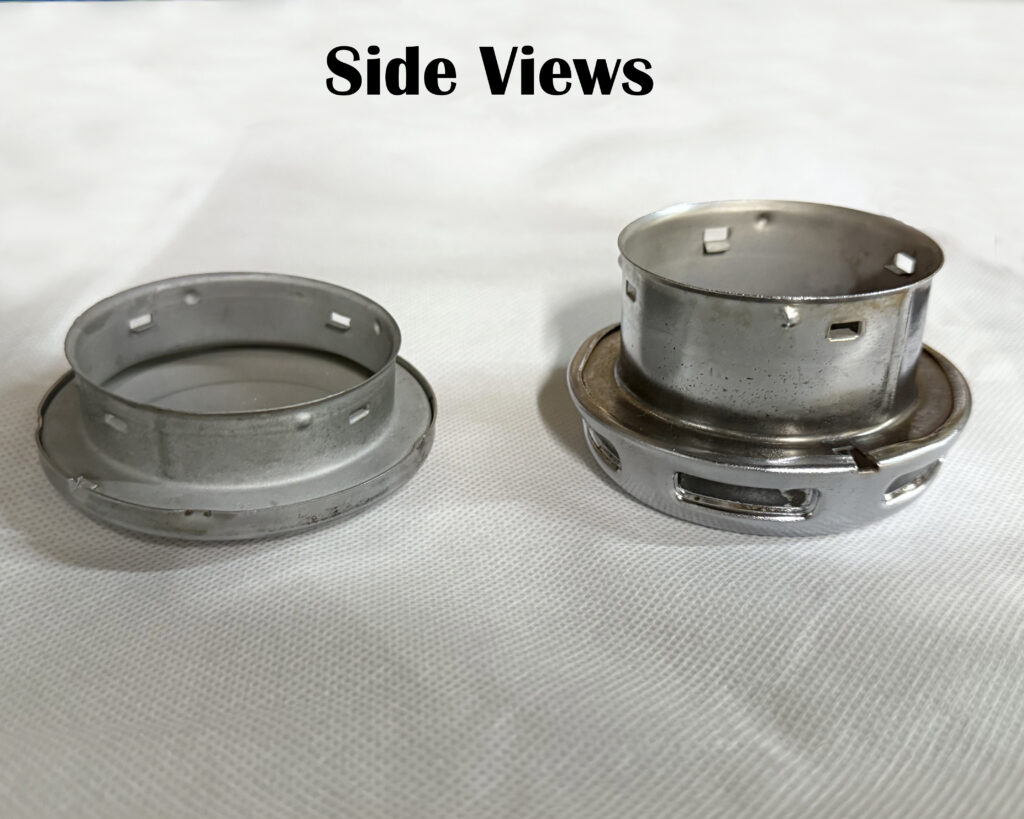
One of the first improvements on Chevy/GMC trucks was to lower the center of the steering column. Before 1957, the longer column placed the horn button to be even with the outer perimeter of the steering wheel. This is the way it had always been done!
With a sudden stop (hitting or being hit) by another vehicle or a solid object such as a tree, bridge, building, etc. the driver instantly went forward. His chest hitting the horn button and very solid column was what stopped his forward movement. So often the resulting injuries, if not fatal, resulted in broken ribs or more.
GM trucks in 1957 created a simple design change to lower these injuries! They lowered the top of the steering column but kept the outer edge of the steering wheel unchanged. Now, in most minor accidents, the driver’s forward movement was stopped by his outer body or arms, not by his chest!
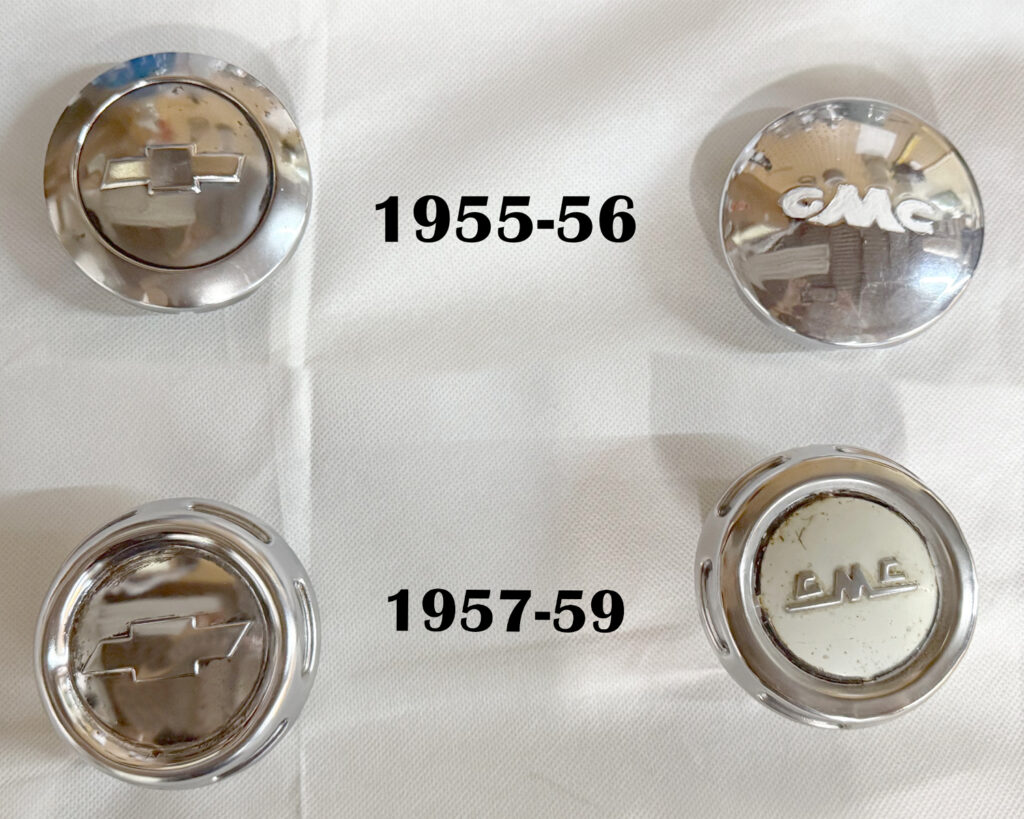
No doubt this was a major selling point for the GM dealer selling a new 1957 truck. These photos show the changes. Though only “one inch” less dent in your chest might save your life!
The lettering on the horn buttons were slightly different. See top photos of the two makes.