Yes! The Rumor is True! Jim Carter Truck Parts is beginning our 46th Year!
Few if any have reached this milestone.
Jim Carter here, we are just as active in GM trucks as ever!
Click on a year below. See what a near 1/2 century can do for you!
Yes! The Rumor is True! Jim Carter Truck Parts is beginning our 46th Year!
Few if any have reached this milestone.
Jim Carter here, we are just as active in GM trucks as ever!
Click on a year below. See what a near 1/2 century can do for you!
THIS IS US! JIM CARTER TRUCK PARTS AT 45 YEARS
Thank you, thank you, for so many great customers like you that have helped our company reach
our 45th Anniversary. We are so proud to have reached this milestone. This is Jim Carter, I am
still very active as when I started restoring my first pickup, a 1950 Chevy 1/2 ton and needed parts! It now
sits in our Lobby!
Just a Few Extras:
- 17 employees with 130 combined year's expertice.
- Over one million parts in two buildings plus our very own nearby wood shop.
- Partisipated in numerous Swap Meets accross the country over the years.
- House so many more "USED" GM parts than any of our competitors.
- We supply parts to over 20 active nationwide Dealers and 2 in Canada.
- Helped with founding of All American Truck Club of New Zealand.
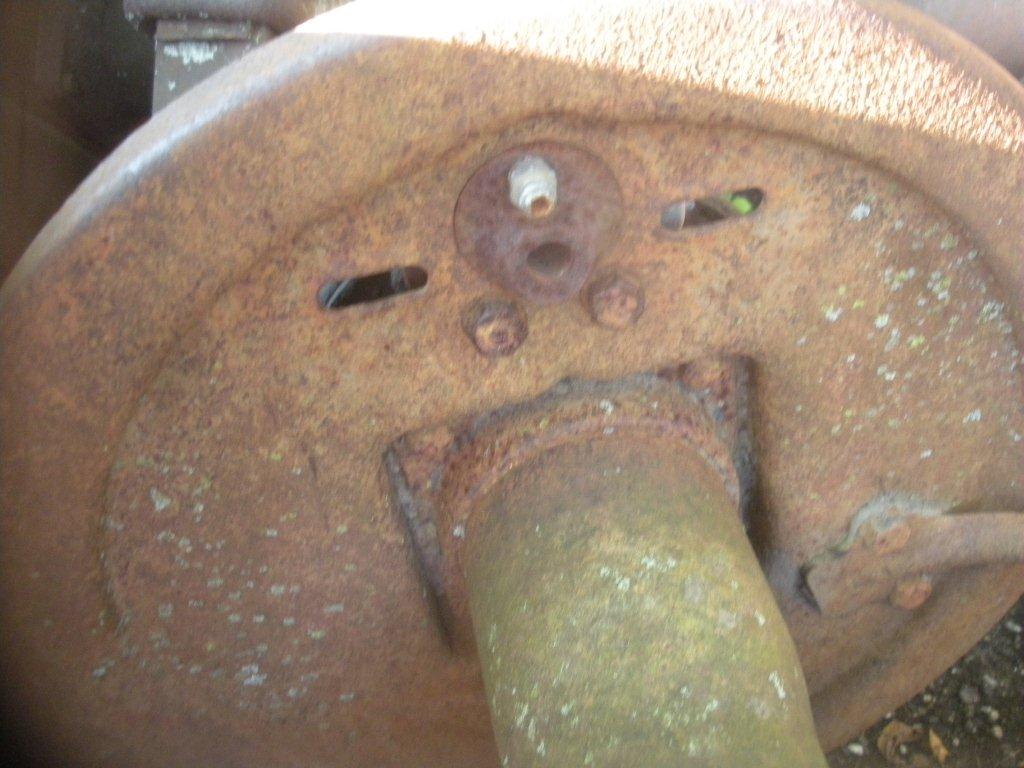
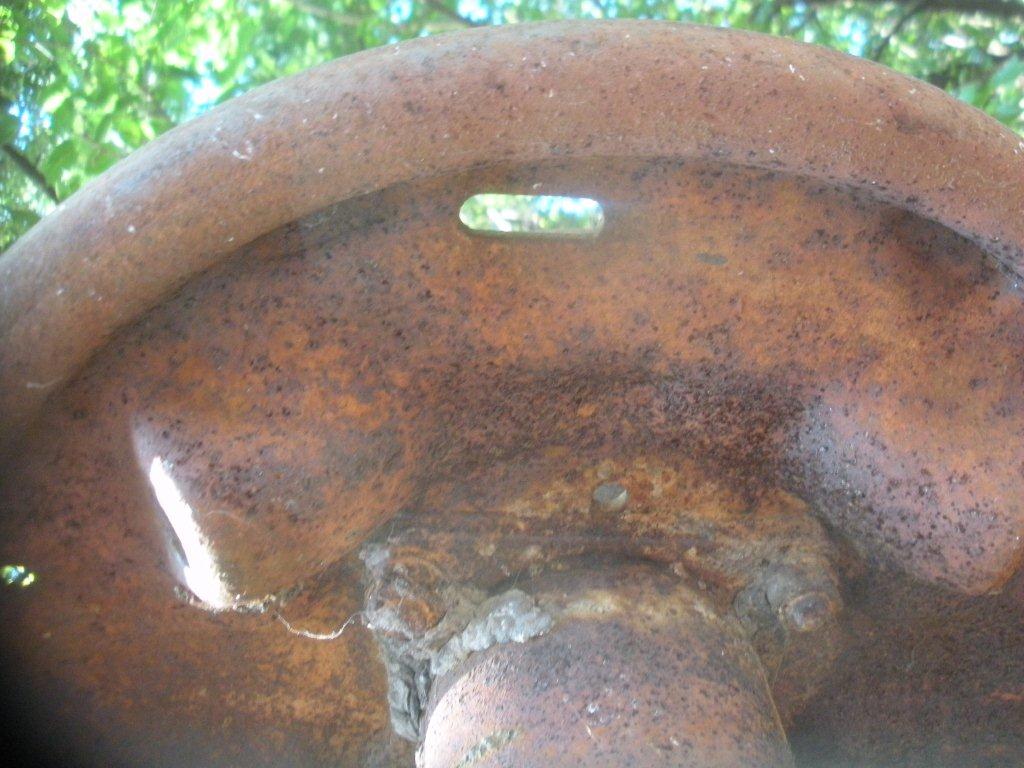
Since the introduction of hydraulic brakes on trucks in 1936 through 1950 on ½ tons, Chevrolet and GMC trucks had been using the Huck brake system. On light trucks and cars it can easily be identified by the existence of a pair of shoe adjusting holes in each backing plate. This system requires each brake shoe to be individually adjusted to the adjacent drum face by turning a cogged wheel on each side of the wheel cylinder. Thus the system does not use a primary or secondary shoe as in more modern types. Front and rear shoes in each drum are the same.
In 1951, light trucks and cars began using the Bendix brake system. Medium and heavy duty GM trucks converted to Bendix brakes in 1953. This system has a single adjuster on each backing plate and equally moves each of the two shoes. Thus the need for shoes with different amount of lining because wear levels are not the same on the primary and secondary shoes.